
Introduction
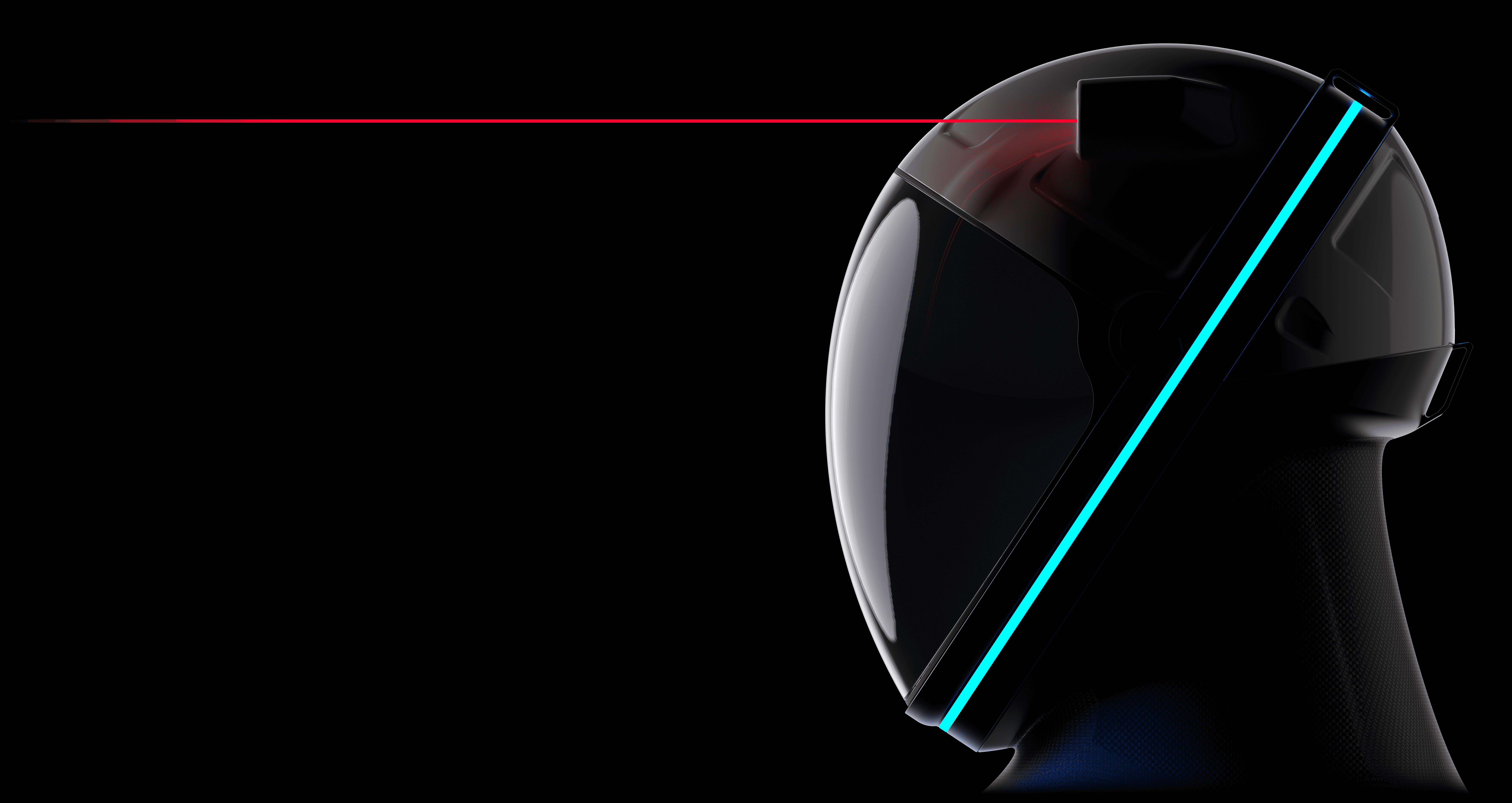
This project will design an aesthetically pleasing, futuristic, and practical extravehicular helmet for Space X, providing them with functional assistance and adequate protection.
Discipline
Product Design
Category
Helmet
Year
2024
Introduction
This project will design an aesthetically pleasing, futuristic, and practical extravehicular helmet for Space X, providing them with functional assistance and adequate protection.
Discipline
Product Design
Catagory
Helmet
Year
2024
Introduction
This project will design an aesthetically pleasing, futuristic, and practical extravehicular helmet for Space X, providing them with functional assistance and adequate protection.
Discipline
Product Design
Category
Helmet
Year
2024
Introduction
This project will design an aesthetically pleasing, futuristic, and practical extravehicular helmet for Space X, providing them with functional assistance and adequate protection.
Discipline
Product Design
Catagory
Helmet
Year
2024
Design Brief
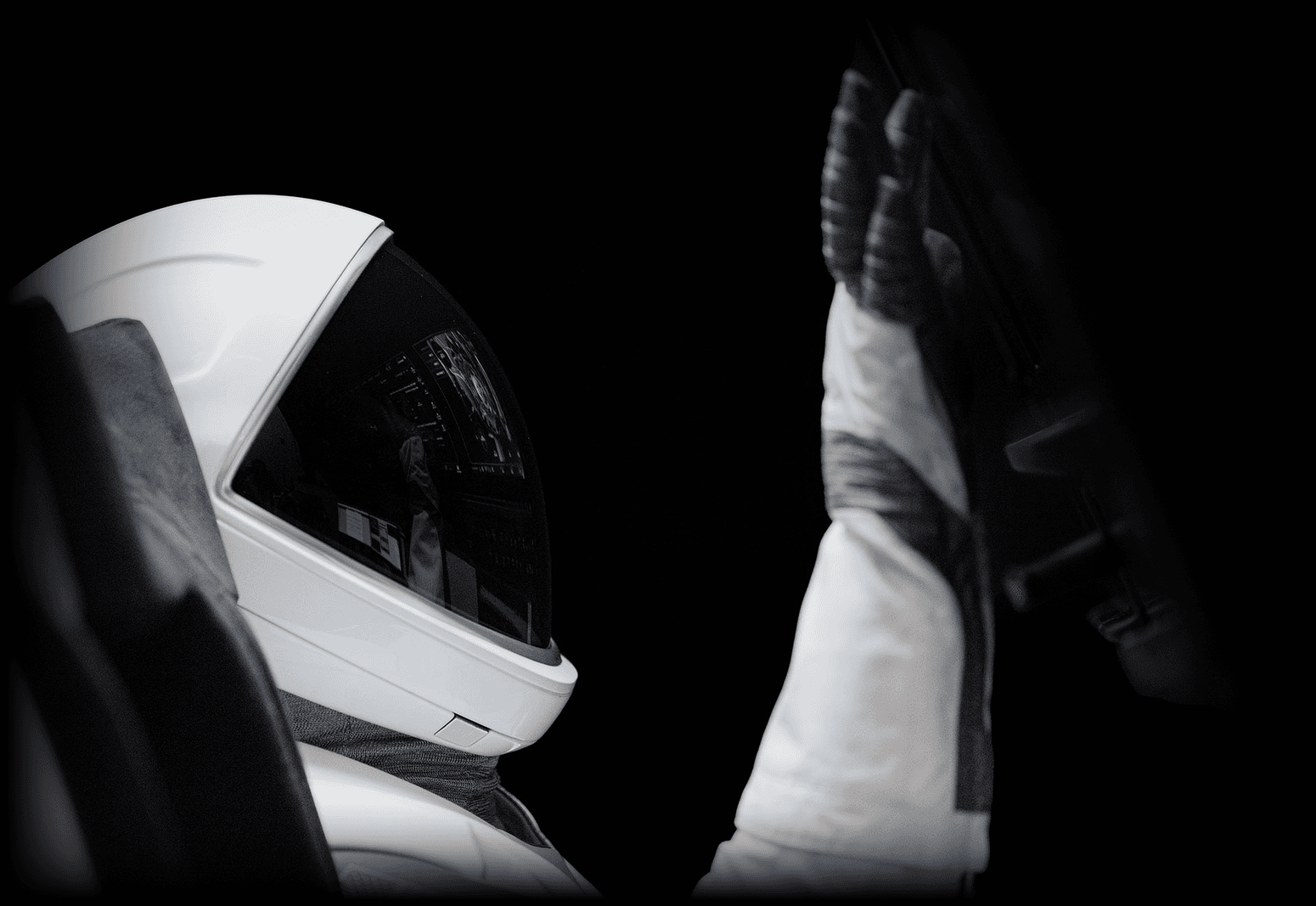
Designing an intelligent helmet system that integrates illumination, LiDAR, millimeter-wave radar, and visual sensors to support real-time spatial mapping, navigation, and mission data capture during extravehicular activity.
Design Brief
Designing an intelligent helmet system that integrates illumination, LiDAR, millimeter-wave radar, and visual sensors to support real-time spatial mapping, navigation, and mission data capture during extravehicular activity.
Target Users
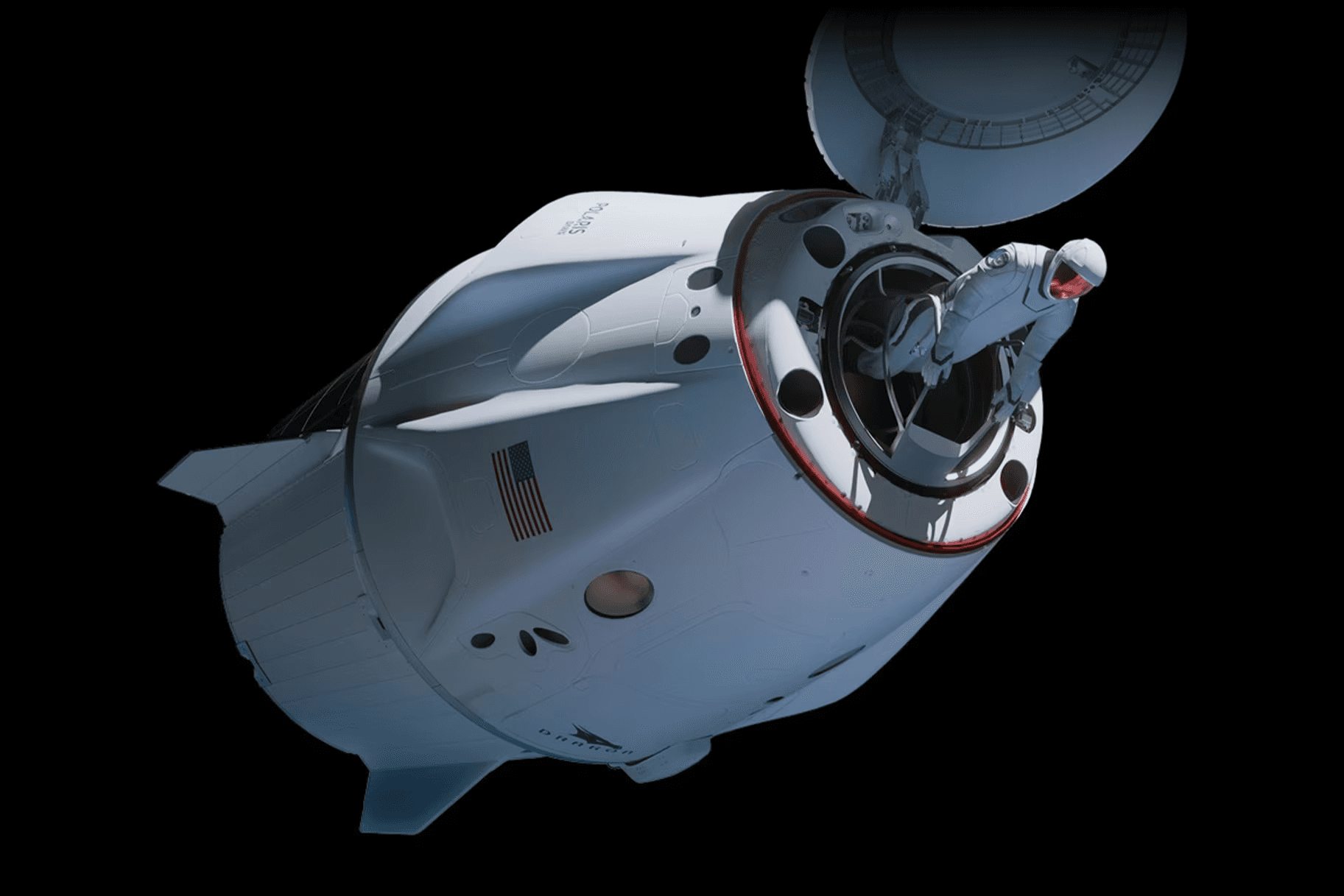
Astronauts and mission crew involved in deep-space and lunar operations Specialists performing extravehicular activity (EVA) in low-visibility or high-risk environments Teams requiring enhanced spatial awareness, navigation support, and real-time visual data capture during exploration missions
Pain Points
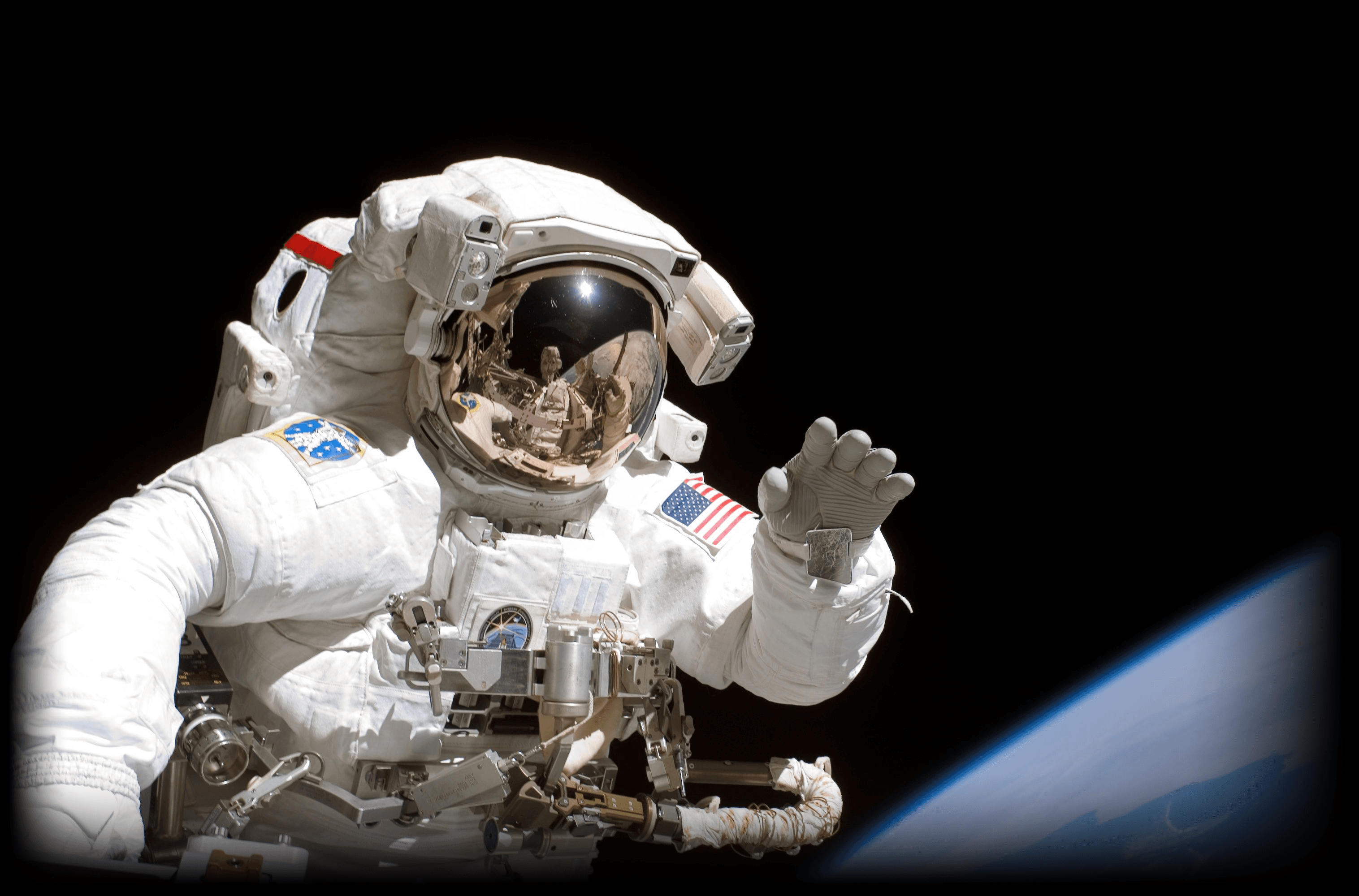
Limited Visibility — Current helmets use fixed spherical visors that block side and downward views. Inadequate Illumination — Built-in lights have fixed angles and limited brightness, leaving dark or shadowed areas unlit. Spatial Disorientation — In zero-gravity environments, astronauts lack reliable spatial or positional feedback. Fragmented Data Flow — Camera, lighting, communication, and monitoring systems operate separately without real-time integration. Bulky Volume — The helmet’s thick, sealed structure and large dimensions restrict movement and spatial awareness.
Pain Points
Limited Visibility — Current helmets use fixed spherical visors that block side and downward views. Inadequate Illumination — Built-in lights have fixed angles and limited brightness, leaving dark or shadowed areas unlit. Spatial Disorientation — In zero-gravity environments, astronauts lack reliable spatial or positional feedback. Fragmented Data Flow — Camera, lighting, communication, and monitoring systems operate separately without real-time integration. Bulky Volume — The helmet’s thick, sealed structure and large dimensions restrict movement and spatial awareness.

Process Map
Process Map
Inspiration
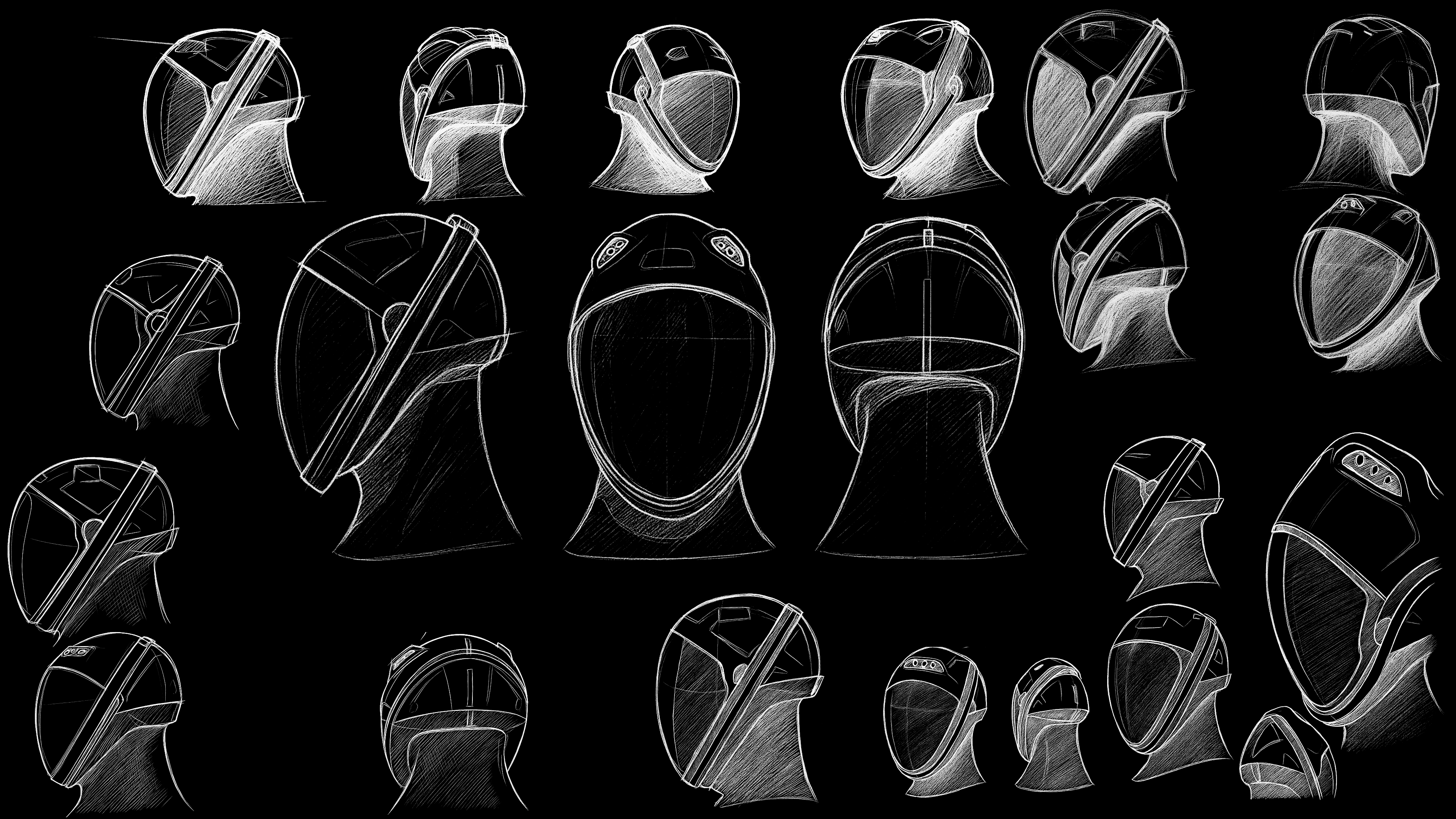
Ideation
Sketches
Process Map
Process Map
Introduction
This project will design an aesthetically pleasing, futuristic, and practical extravehicular helmet for Space X, providing them with functional assistance and adequate protection.
Discipline
Product Design
Catagory
Helmet
Year
2024
DESIGN BRIEF
Designing an intelligent helmet system that integrates illumination, LiDAR, millimeter-wave radar, and visual sensors to support real-time spatial mapping, navigation, and mission data capture during extravehicular activity.

3D
Modeling
3D
Modeling
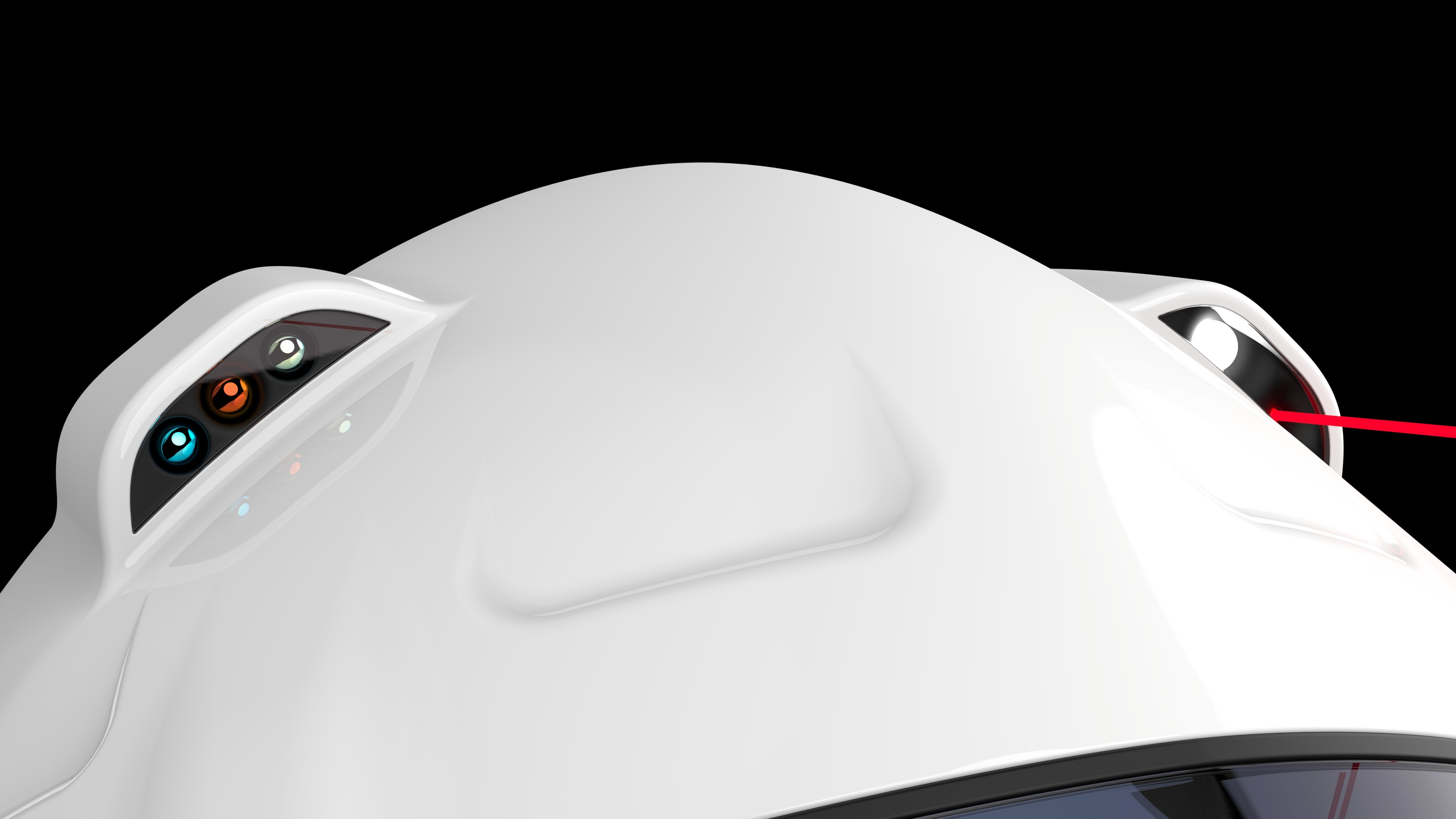
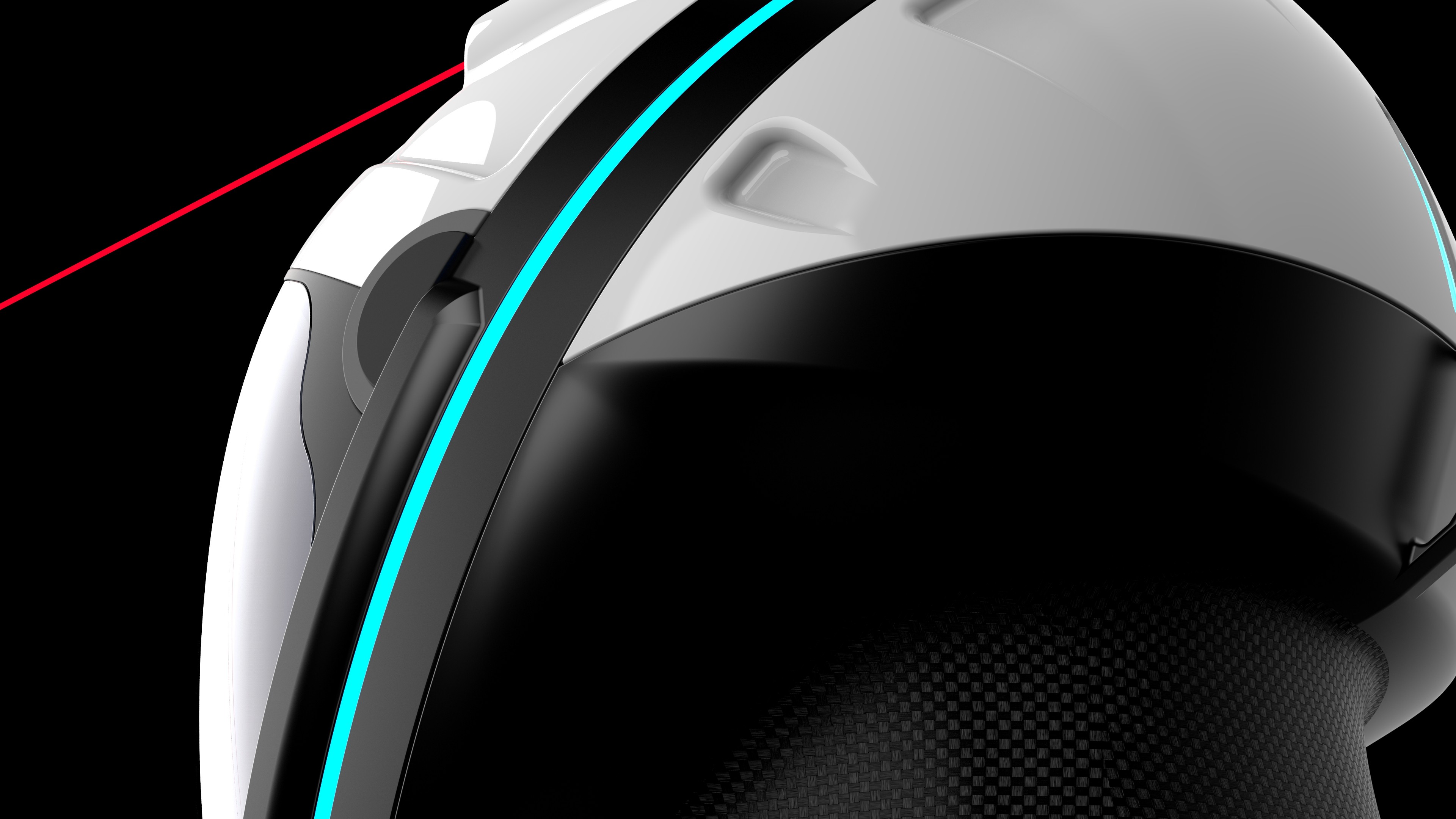
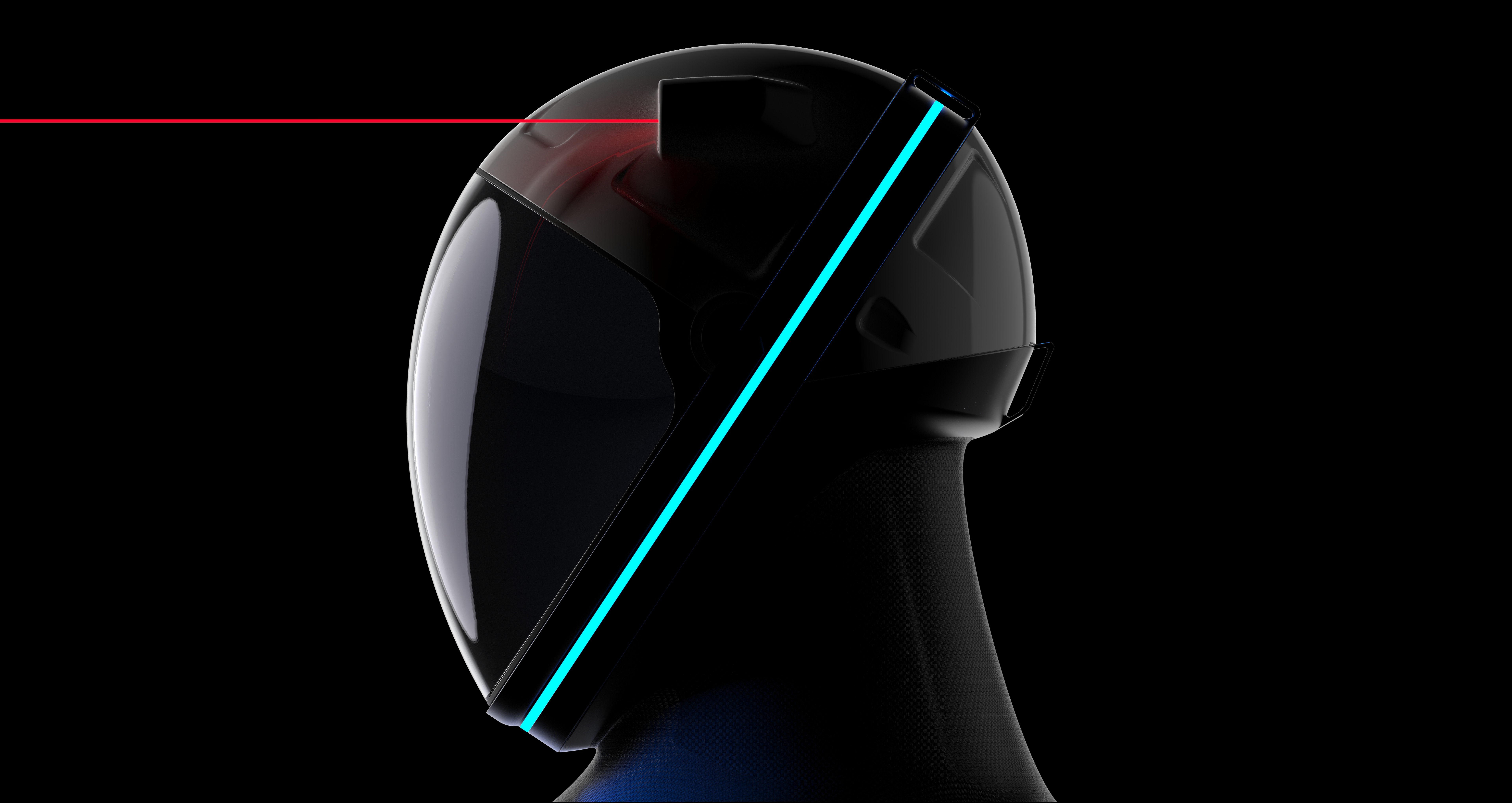
Detailed Renderings

Zephyr
•
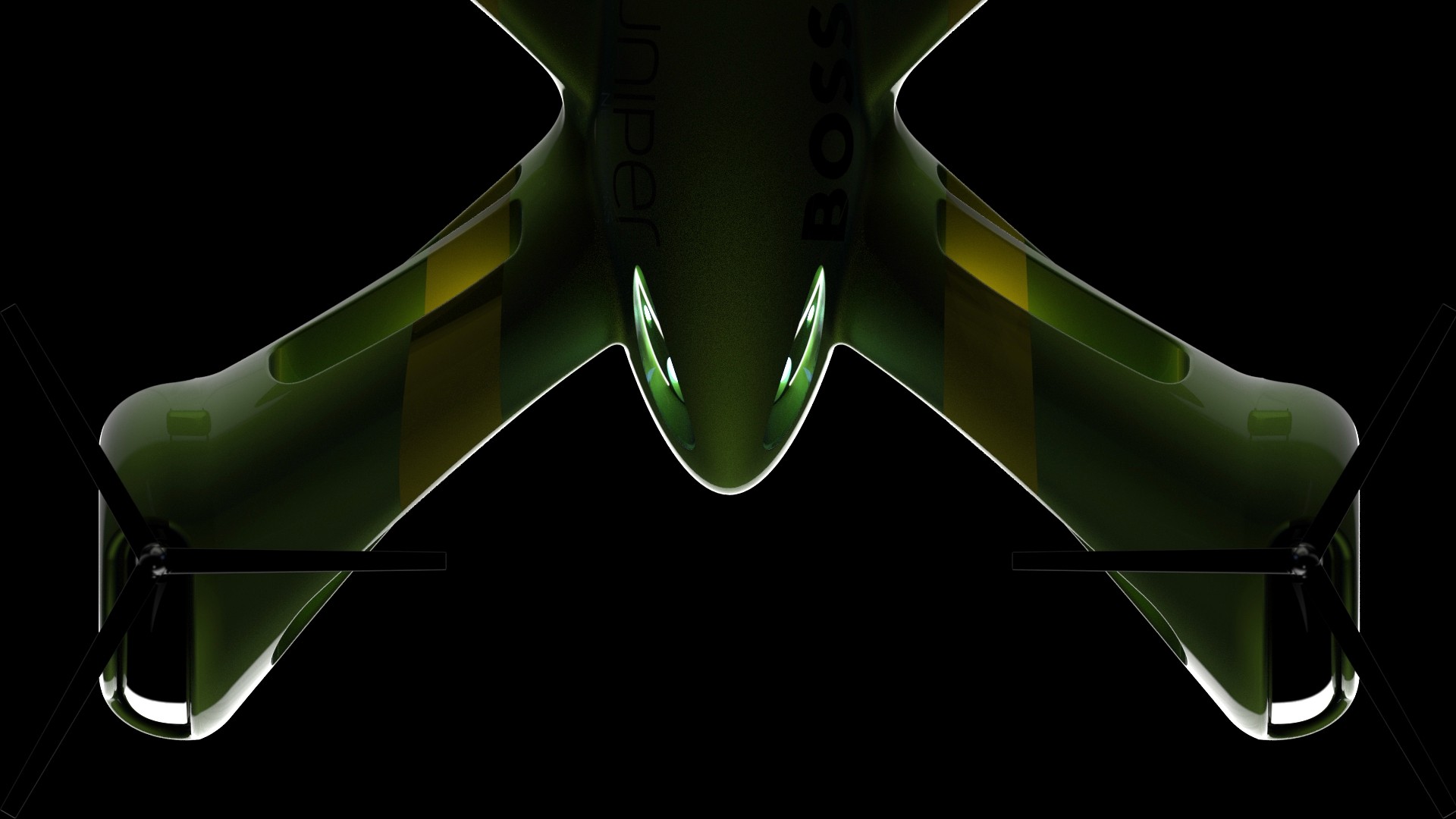
Zephyr
Product Design
Zephyr
•
Zephyr
Product Design
Ineos Camera Concept
•
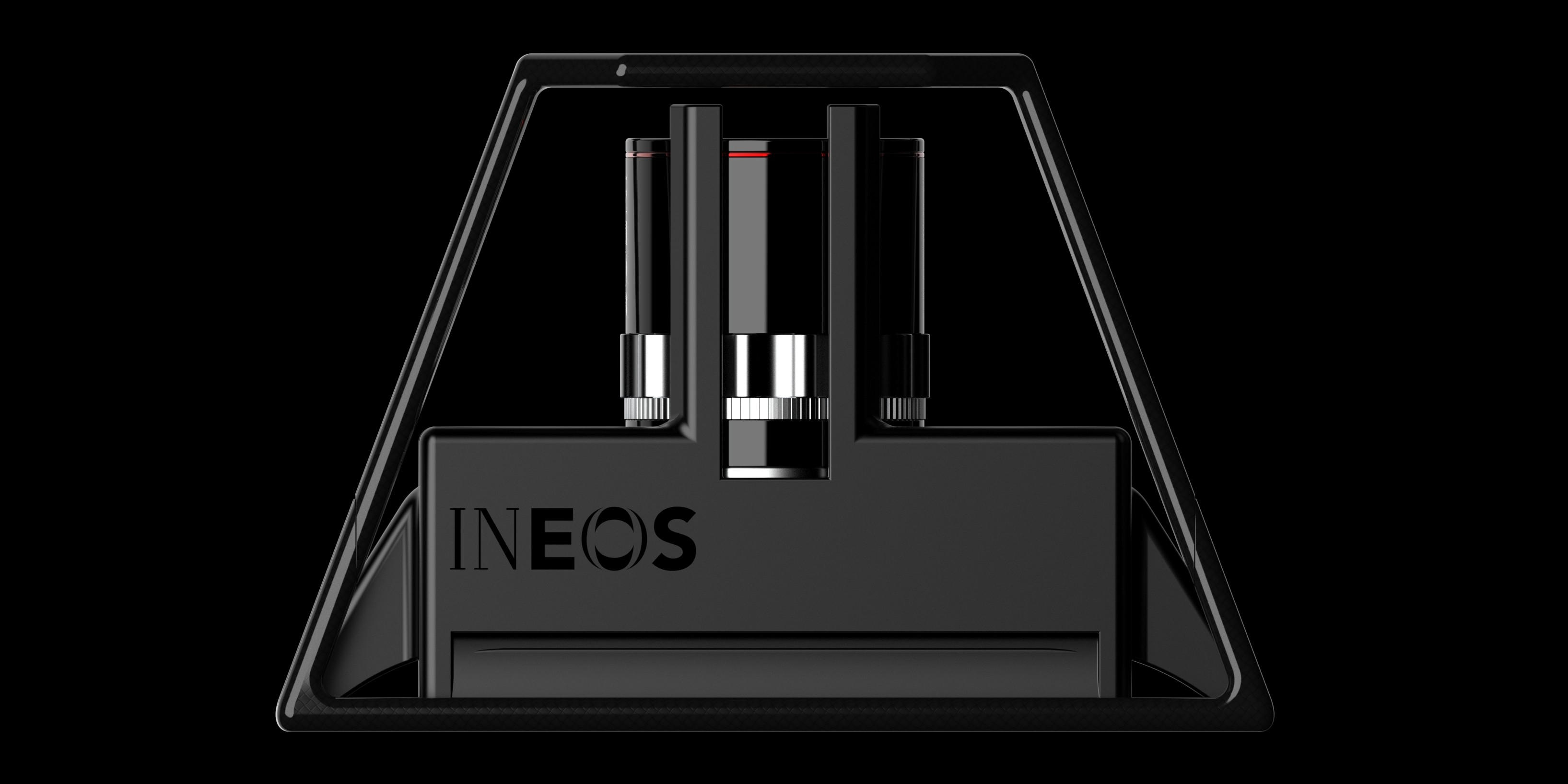
Ineos Camera Concept
Product Design
Ineos Camera Concept
•
Ineos Camera Concept
Product Design
Fractal Design EV Charger Concept
•
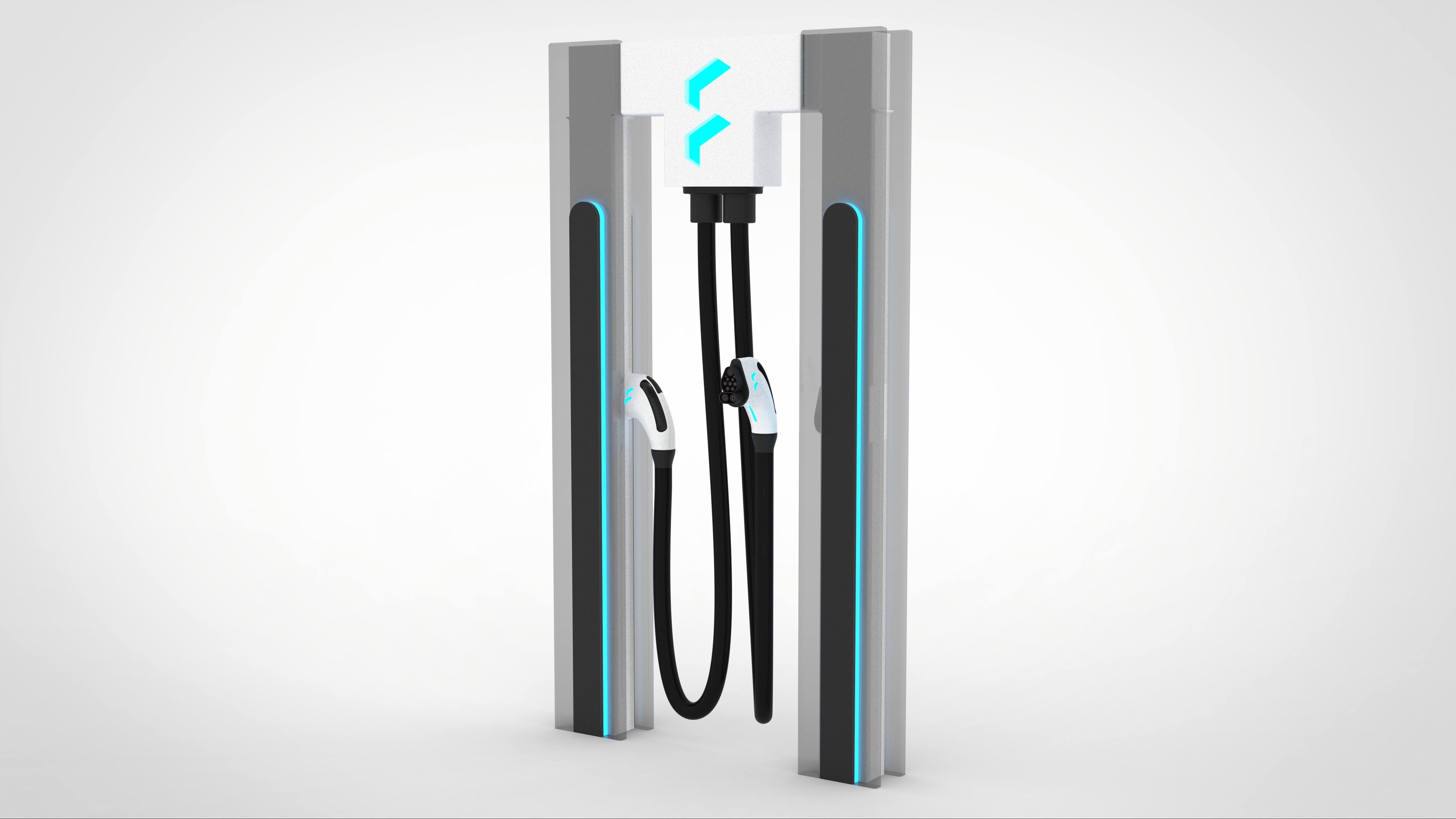
Fractal Design EV Charger Concept
Product Design
Fractal Design EV Charger Concept
•
Fractal Design EV Charger Concept
Product Design
Inspiration
3D Modeling
Target Users
Astronauts and mission crew involved in deep-space and lunar operations Specialists performing extravehicular activity (EVA) in low-visibility or high-risk environments Teams requiring enhanced spatial awareness, navigation support, and real-time visual data capture during exploration missions
Process Map
Pain Points
Limited Visibility — Current helmets use fixed spherical visors that block side and downward views. Inadequate Illumination — Built-in lights have fixed angles and limited brightness, leaving dark or shadowed areas unlit. Spatial Disorientation — In zero-gravity environments, astronauts lack reliable spatial or positional feedback. Fragmented Data Flow — Camera, lighting, communication, and monitoring systems operate separately without real-time integration. Bulky Volume — The helmet’s thick, sealed structure and large dimensions restrict movement and spatial awareness.
Limited Visibility — Current helmets use fixed spherical visors that block side and downward views. Inadequate Illumination — Built-in lights have fixed angles and limited brightness, leaving dark or shadowed areas unlit. Spatial Disorientation — In zero-gravity environments, astronauts lack reliable spatial or positional feedback. Fragmented Data Flow — Camera, lighting, communication, and monitoring systems operate separately without real-time integration. Bulky Volume — The helmet’s thick, sealed structure and large dimensions restrict movement and spatial awareness.
Detailed Renderings
Zephyr
•
Zephyr
Product Design
Zephyr
•
Zephyr
Product Design
Ineos Camera Concept
•
Ineos Camera Concept
Product Design
Ineos Camera Concept
•
Ineos Camera Concept
Product Design
Fractal Design EV Charger Concept
•
Fractal Design EV Charger Concept
Product Design
Fractal Design EV Charger Concept
•
Fractal Design EV Charger Concept
Product Design